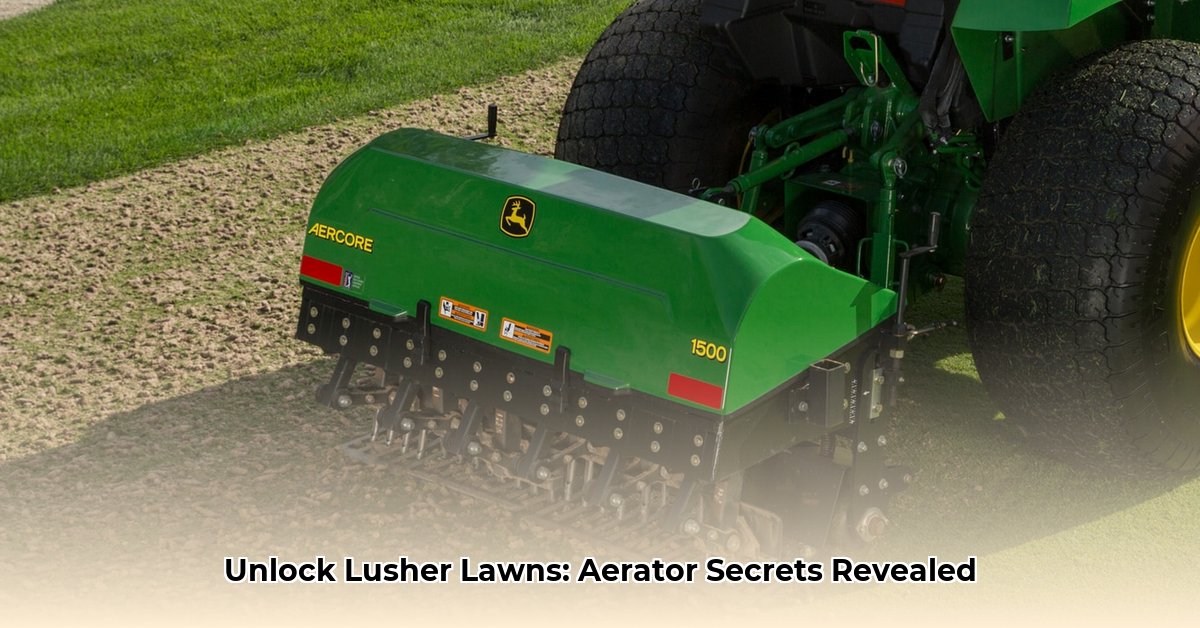
Tractor Lawn Aeration: Your Key to a Lush, Sustainable Lawn
Achieving a healthy, vibrant lawn isn't just about luck; it's about understanding your turf's needs. A tractor lawn aerator is a crucial tool for sustainable lawn care, acting like a deep-tissue massage for your grass, allowing essential water, air, and nutrients to reach the roots. This guide will navigate you through the process of choosing and effectively using a tractor lawn aerator to create a stunning and environmentally friendly lawn. Don't just hope for a healthy lawn—engineer it. For more information on Stiga lawn tractors, visit this helpful resource.
Understanding Your Soil: The Foundation of a Thriving Lawn
Before selecting a tractor aerator, understanding your soil is paramount. Different soil types have vastly different properties impacting aeration needs. Clay soils, for instance, compact easily, hindering drainage and suffocating roots. Sandy soils, conversely, drain well but often lack moisture retention. Loam, a mixture of sand, silt, and clay, offers a balance. How compacted is your soil? Does water drain quickly or puddle? These visual cues help, but a professional soil test provides precise data on composition, pH, and compaction levels—crucial information for choosing the right aerator and strategy. A soil test is your first step toward maximizing your lawn's potential.
Choosing Your Aerator: Drum vs. Xtreme
Two main tractor aerator types exist: drum and Xtreme (often called core aerators). Both improve air and water movement, but their mechanisms differ.
Drum aerators use rotating drums with hollow tines, removing small soil plugs and reducing thatch (accumulated dead grass). They're ideal for lawns with moderate compaction and thatch buildup. Think of it as a gentle combing.
Xtreme aerators, conversely, employ solid tines that punch holes directly into the soil, breaking up compaction and significantly improving aeration. These are more aggressive and best for severely compacted soils. They're like tiny jackhammers for your lawn.
Here's a comparative analysis:
| Feature | Drum Aerator | Xtreme Aerator |
|---|---|---|
| Tine Type | Hollow tines | Solid tines |
| Compaction Level | Moderate to low | Severe |
| Thatch Reduction | Excellent | Good |
| Cost | Generally less expensive | Typically more expensive |
| Best for | Improving drainage, reducing thatch | Breaking hardpan, severe compaction |
Your soil test results will guide your choice. A healthy lawn might only need a drum aerator; severely compacted soil demands the power of an Xtreme aerator.
Mastering Aeration Techniques: Depth, Frequency, and Best Practices
Effective aeration involves more than just driving the machine across the lawn. Proper technique is crucial.
- Tine Depth: Adjusting tine depth is crucial. Shallow tines suffice for routine maintenance, while deeper penetration is needed for severely compacted areas. However, excessive depth can damage roots. Your soil test is your guide.
- Frequency: While spring and fall are traditional times, year-round aeration, especially in milder climates, can be beneficial. Winter aeration could reduce stress during the growing season. Always avoid aerating when the soil is frozen or excessively wet.
- Post-Aeration Care: Gently water your lawn post-aeration to help settle the soil and prevent dryness.
Step-by-Step Aeration:
- Assess: Inspect your lawn for compacted areas.
- Select: Choose the appropriate aerator and tine depth based on your soil test.
- Operate: Follow the manufacturer's instructions carefully.
- Care: Water gently after aeration.
Maintenance and Safety: Ensuring Longevity and Safe Operation
Regular maintenance is key to extending your aerator's lifespan. Clean it after each use, lubricate moving parts, and inspect tines for damage. Safety is paramount: always wear protective gear (safety glasses, hearing protection, sturdy footwear), never operate near children or pets, and avoid slopes or uneven terrain. Remember, safety is not just a guideline—it's a non-negotiable priority.
Long-Term Strategies: Data-Driven Aeration and Smart Technology
Data-driven aeration is becoming increasingly important. Maintaining detailed records, including dates, tine depth, and soil conditions, allows you to monitor your lawn's response to aeration practices. This data, over time, informs future strategies and helps optimize aeration schedules. The integration of smart technology, such as soil sensors, promises to further refine these practices, leading to even more efficient and effective lawn care. The future of lawn care is data-driven, ensuring maximum efficiency and minimal environmental impact.
Conclusion: Cultivating a Healthier, More Sustainable Lawn
Investing in a tractor lawn aerator and understanding proper aeration techniques empowers you to create a vibrant, healthy lawn while minimizing environmental impact. Regular monitoring and adjustment based on soil conditions and data will ensure the long-term success of your efforts. Embrace the power of data-driven processes and create the lawn of your dreams—one that thrives naturally.